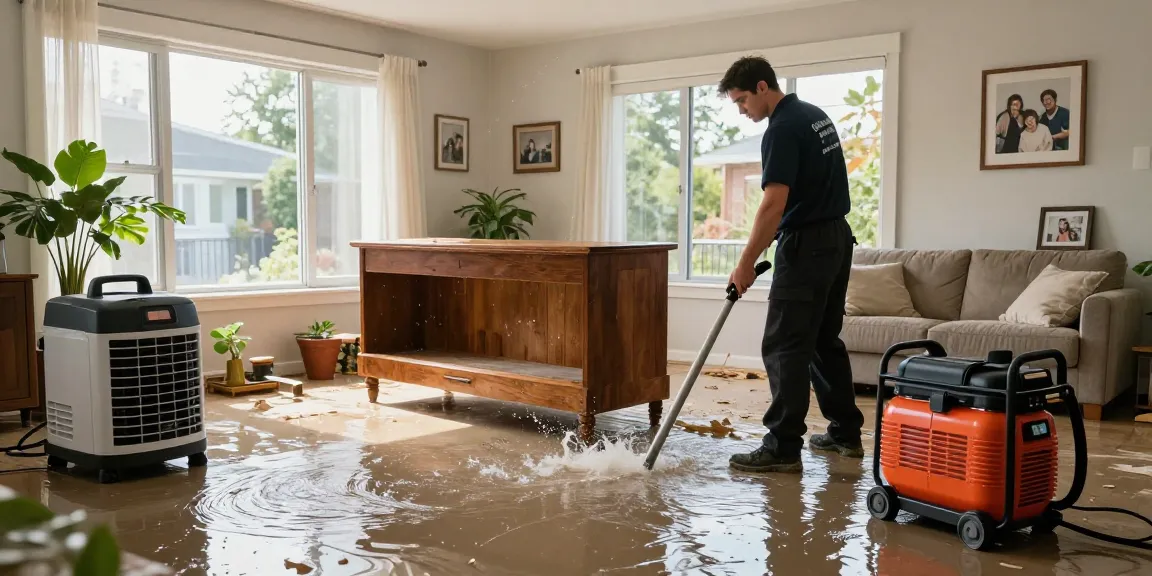
Understanding Water Damage Restoration Vancouver: What You Need to Know
Water damage is a critical issue that homeowners in Vancouver face, particularly given the city’s heavy rainfall and aging infrastructure. Effective water damage restoration is essential for preserving not only the property itself but also the health and safety of its occupants. The process involves a detailed assessment, swift action to mitigate damage, and thorough restoration practices to return the affected area to its pre-damage condition. For those exploring options, Water Damage Restoration Vancouver provides comprehensive insights that can be invaluable during such challenging times.
What Is Water Damage Restoration?
Water damage restoration is the process of cleaning, drying, and repairing a property after it has suffered from water intrusion. This process goes beyond mere cleanup; it involves a series of systematic procedures to ensure that all aspects of the property are returned to their original state. This may include water removal, damage assessments, drying out moisture, and repairing any structural damage.
Importance of Rapid Response
When water damage occurs, every minute counts. The longer the water sits, the more damage it can cause, leading to secondary issues like mold growth and structural instability. A rapid response from a professional restoration company can greatly reduce the extent of the damage and ultimately save homeowners money in repairs and long-term health risks.
Common Types of Water Damage in Vancouver Homes
- Flooding from Heavy Rainfall: Vancouver’s climate often leads to excess water accumulation, causing flooding in basements and lower-level areas.
- Pipe Leaks: Aging plumbing systems can develop leaks or bursts, which can rapidly lead to extensive water damage.
- Appliance Failures: Dishwashers, washing machines, and refrigerators may leak or break down, creating localized flooding.
- Roof Leaks: Damaged roofs can allow rainwater to seep into homes, leading to internal damage.
Identifying the Causes and Early Signs of Water Damage
What Causes Water Damage in Vancouver?
Several factors contribute to water damage in Vancouver homes, including environmental and infrastructural issues. Heavy rainfall, poorly designed drainage systems, and aging plumbing are significant contributors. Homeowners should be aware of these factors to take preventive measures.
Recognizing Early Warning Signs
Identifying water damage early can prevent extensive repairs. Look for signs such as:
- Water stains on walls or ceilings.
- Visible mold growth.
- Unpleasant musty odors.
- Peeling paint or wallpaper.
- Floors that feel spongy or warped.
Preventive Measures to Avoid Damage
Homeowners can take several steps to minimize the risk of water damage. Regular maintenance checks on plumbing, roof inspections after severe weather, and ensuring proper drainage around the property can help mitigate risks. Investing in sump pumps and water alarms can also act as an early warning system for potential issues.
The Step-by-Step Water Damage Restoration Process
Initial Assessment and Damage Control
The restoration process begins with a thorough assessment of the damage. Professionals will inspect the area, determine the extent of the water intrusion, and identify any hazardous conditions. This step is crucial for developing an effective response plan.
Water Extraction Techniques and Equipment
Once the assessment is complete, immediate water extraction is performed using powerful pumps and vacuums. This process is essential for minimizing further damage and reducing drying time. Industrial-grade equipment, such as dehumidifiers and air movers, are then set up to facilitate the drying process.
Restoration and Repair Strategies
After the moisture has been removed, the restoration phase begins. This may include cleaning and sanitizing affected areas, replacing damaged materials, and repairing structural elements. Comprehensive restoration ensures that the space is not only functional but also safe for its occupants.
Choosing the Right Water Damage Restoration Company
Qualities to Look for in a Restoration Expert
When selecting a restoration company, look for credentials, customer reviews, and experience. Companies should have reviews focusing on their response time, effectiveness, and professionalism. Certification from organizations like the Institute of Inspection, Cleaning and Restoration Certification (IICRC) is also crucial.
Benefits of IICRC Certification
IICRC certification ensures that technicians are trained in best practices for water damage restoration. Certified professionals have a thorough understanding of the tools, techniques, and safety protocols necessary to effectively address water damage.
Understanding Pricing and Insurance Support
Transparent pricing is vital when dealing with restoration services. A reputable company will provide clear estimates and be willing to assist with the insurance claims process to ensure that homeowners are informed of their coverage and options.
Frequently Asked Questions About Water Damage Restoration
How Quickly Should Water Damage Be Addressed?
Water damage should be addressed immediately. Ideally, professionals should be contacted within 24 hours to prevent mold growth and structural damage.
Can Water-Damaged Materials Be Saved?
Some water-damaged materials can be salvaged, while others may need to be replaced. The decision often depends on the extent of water exposure and the type of materials involved.
What Is the Average Cost of Water Damage Restoration?
The cost of restoration varies depending on the severity of the damage, type of water involved, and the necessary restoration steps. Homeowners should expect a range of costs and should seek multiple estimates for comparison.
What Equipment Is Used in the Restoration Process?
Professional restorers use a variety of specialized equipment, including water extractors, dehumidifiers, air movers, and thermal imaging cameras to detect moisture.
How Does the Insurance Claim Process Work?
The insurance claim process starts with documentation of the damage, which restoration professionals can assist with. They can help prepare reports and estimates to support the claim, making it easier for the homeowner to navigate the process.