Understanding Metal Roofing Options
Metal roofing has increasingly gained popularity among homeowners and commercial property owners alike for its durability, aesthetic appeal, and energy efficiency. With a variety of materials and styles available, it’s essential to understand your options before making a choice. When exploring options, mroof.ca provides comprehensive insights into the best metal roofing solutions for your needs.
What Types of Metal Roofs Are Available?
There are several types of metal roofs available, each offering unique benefits and features:
- Steel Roofing: Known for its strength and affordability, steel roofing is a popular choice for residential homes. It often comes galvanized or coated to prevent rust.
- Aluminum Roofing: Lightweight and resistant to corrosion, aluminum roofs are ideal for coastal areas where saltwater can be an issue.
- Copper Roofing: Renowned for its beauty and longevity, copper develops a unique patina as it ages, making it a stylish option for high-end residences.
- Zinc Roofing: Similar to copper in appearance, zinc is incredibly durable and self-healing when scratched, making it low-maintenance.
- Standing Seam Metal Roofing: This roofing style features raised seams that interlock, preventing water infiltration and enhancing durability.
Benefits of Metal Roofing for Homeowners
Metal roofs provide numerous advantages over traditional roofing materials:
- Longevity: Metal roofing can last 40 to 70 years depending on the material, significantly outlasting asphalt shingles.
- Energy Efficiency: Reflective metal surfaces can help reduce cooling costs by reflecting solar heat away from the home.
- Environmentally Friendly: Metal roofs are often made from recycled materials and can be recycled at the end of their lifespan.
- Weather Resistance: Metal roofs can withstand heavy rain, snow, and high winds, making them a reliable choice in various climates.
Common Myths About Metal Roofing
Despite its benefits, several misconceptions still surround metal roofing:
- Metal Roofs Are Noisy: While some sound can be heard during heavy rain or hail, proper insulation significantly dampens noise levels.
- Metal Roofs Attract Lightning: This is a myth; metal roofs do not increase the risk of lightning strikes. In fact, metal is less flammable than traditional roofing materials.
- Metal Roofs Are Too Expensive: While the initial investment can be higher, the longevity and energy savings can make metal roofing more cost-effective in the long run.
Key Factors to Consider When Choosing a Metal Roof
Choosing the right metal roof requires consideration of several important factors:
Climate and Weather Considerations for Your Area
Before selecting a metal roof, evaluate the climate in your area. Regions with heavy snowfall may benefit from a roof with a steep slope to allow snow to slide off easily. Coastal areas might prefer aluminum or zinc roofing due to their corrosion resistance against saltwater.
Design Aesthetics: Finding the Right Style
Metal roofing is available in a variety of styles and colors, allowing homeowners to choose an aesthetic that complements their property. Styles range from traditional shingles to contemporary panels, enabling customization to fit both modern and historical homes.
Cost vs. Longevity: Making a Smart Investment
While metal roofs may have a higher upfront cost, their longevity and minimal maintenance can lead to significant savings over time. It's essential to weigh the initial investment against the lifespan and potential energy savings.
Installation Process: What to Expect
The installation of a metal roof is a critical process that requires skilled labor and thorough planning.
Preparation: Choosing the Right Installation Team
Selecting a reputable contractor is vital for ensuring a quality installation. Look for companies with extensive experience, solid customer reviews, and appropriate licensing and insurance. An experienced team will also be familiar with local building codes and requirements.
Step-by-Step Overview of Metal Roof Installation
The installation of a metal roof typically involves several key steps:
- Inspection: The existing roof should be inspected for damage prior to installation.
- Preparation: The area is cleaned and any necessary repairs to the underlying structure are made.
- Installation of Underlayment: A water-resistant underlayment is laid down to provide additional protection.
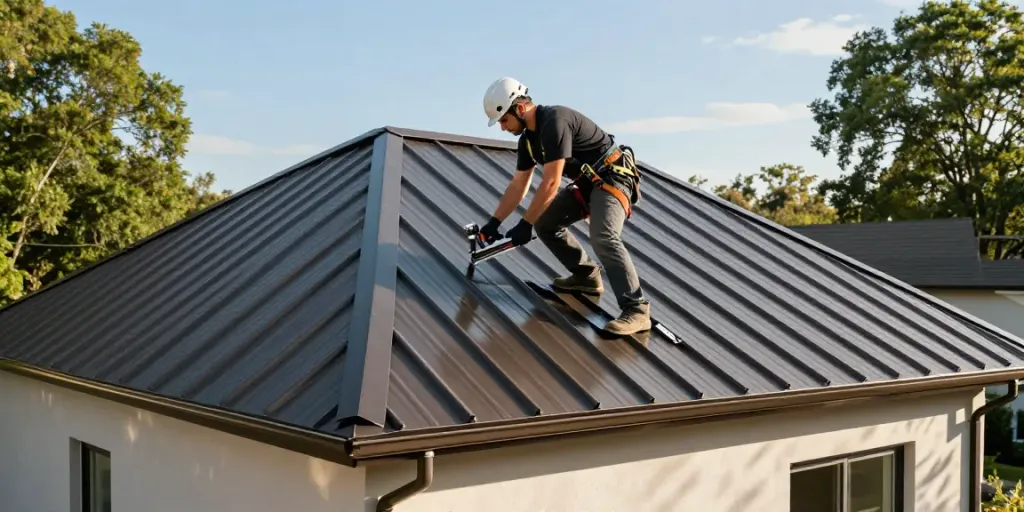
- Panel Installation: Metal panels are then installed starting from the bottom and working up, ensuring proper overlap to prevent leaks.
- Finishing Touches: Flashings, gutter systems, and other components are added to complete the roof structure.
Post-Installation Care and Maintenance
Regular maintenance will extend the life of your metal roof. This includes periodic inspections for rust, ensuring gutters are clear, and checking for any loose panels. It's advisable to schedule maintenance at least once a year, preferably in the spring.
Innovative Trends in Metal Roofing for 2026
The roofing industry is continually evolving, and several innovative trends are emerging in metal roofing that may benefit homeowners.
Eco-Friendly and Sustainable Roofing Solutions
As environmental concerns grow, many manufacturers are focusing on sustainable practices, such as using recycled materials and developing roofs that contribute to energy efficiency.
Technological Advancements in Roofing Materials
Recent advancements have led to the development of new coatings that enhance rust resistance and thermal performance, improving the durability and efficiency of metal roofs.
Future Aesthetics: Customization and Smart Features
Homeowners are increasingly seeking customized designs that include unique colors, textures, and even smart technology integration, such as solar panels or sensors for monitoring roof conditions.
Frequently Asked Questions About Metal Roofing
How long does a metal roof typically last?
Metal roofs typically last between 40 to 70 years, depending on the material and environment.
Is metal roofing more expensive than traditional roofing?
While metal roofing can have a higher initial cost, its longevity and minimal maintenance lead to a lower total cost of ownership over time.
Can I install a metal roof over existing shingles?
Yes, it is often possible to install metal roofing directly over existing shingles, which can help save on disposal costs and reduce installation time.
What maintenance does a metal roof require?
Metal roofs require minimal maintenance, typically involving periodic inspections and cleaning to remove debris and check for rust or damage.
Are metal roofs noisy during rain or hail?
While some noise may occur during heavy rain or hail, proper insulation and underlayment can significantly dampen sound levels.