The Benefits of Metal Roofing in Ontario
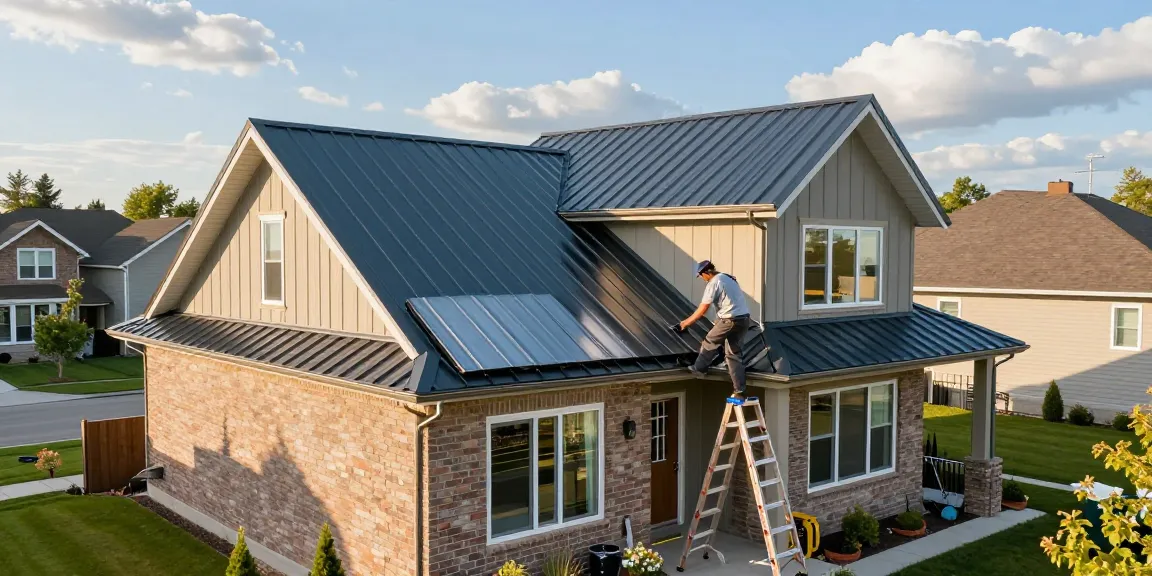
As homeowners in Ontario consider their roofing options, one material has been gaining significant traction: metal roofing. Known for its durability, aesthetic appeal, and efficiency, metal roofing provides a range of benefits that traditional materials often can't match. When exploring options, metal roofing ontario offers comprehensive insights into why more people are making this crucial investment. In Ontario, with its unique climate and weather conditions, metal roofing proves to be an exceptionally smart choice.
Why Choose Metal Roofing Over Traditional Options?
Traditional roofing materials such as asphalt shingles and wood shakes have long been the go-to choices for many homeowners. However, these options come with significant drawbacks. Metal roofing, on the other hand, boasts a number of advantages that make it a more appealing choice:
- Durability: Metal roofs can last 40-70 years depending on the material, compared to the typical 20-30 years for asphalt shingles.
- Resistance to Elements: Ontario weather can be unpredictable, with heavy snow, rain, and winds. Metal roofs are engineered to withstand these conditions without warping or deteriorating.
- Fire Resistance: Metal roofing materials are non-combustible, offering greater protection against fires compared to traditional roofing materials.
The appeal of metal roofing is not just in its longevity but also in its ability to enhance energy efficiency. Homeowners can save significantly on energy costs through improved insulation and heat reflectivity.
Long-term Cost Savings and Efficiency
While the initial investment for metal roofing may be higher than for traditional roofing materials, the long-term savings often outweigh the upfront costs. Metal roofs require very little maintenance and can lead to substantial energy savings:
- Reduced Energy Bills: Metal roofs reflect solar heat, reducing cooling costs in summer and providing insulation in winter, leading to lower energy bills year-round.
- Less Frequent Replacements: With a lifespan that can almost triple that of asphalt shingles, homeowners save money on frequent replacements or repairs.
- Insurance Discounts: Many insurance companies offer lower premiums for homes with metal roofs due to their durability and fire resistance.
These factors contribute to metal roofing being a wise financial decision for homeowners looking to enhance the longevity and performance of their property.
Environmental Benefits of Metal Roofing
In today's eco-conscious world, the environmental impact of building materials is a critical consideration. Metal roofing offers several advantages compared to traditional roofing options:
- Recyclability: Metal roofs are often made from recycled materials and can be recycled at the end of their life cycle, reducing landfill waste.
- Energy Efficiency: By reflecting sunlight rather than absorbing it, metal roofs can reduce the heat island effect, contributing to cooler urban environments.
- Energy Star Ratings: Many metal roofing products receive Energy Star ratings for their energy efficiency, qualifying homeowners for tax credits and rebates.
For environmentally-conscious homeowners in Ontario, metal roofing stands out as a responsible choice for both energy efficiency and sustainable living.
Types of Metal Roofing Suitable for Ontario Homes
Not all metal roofing is created equal. When selecting a metal roof, homeowners should consider materials that are specifically suitable for the Ontario climate. Here are some popular options:
Popular Metal Roofing Materials Explained
There is a variety of metal roofing materials available, each with its own benefits and characteristics. Understanding these can help in making an informed choice:
- Steel: Often galvanized or coated with zinc, steel roofing is robust, economical, and highly resistant to corrosion.
- Aluminum: Lightweight and resistant to rust, aluminum roofing is ideal for coastal areas but may be pricier compared to steel options.
- Copper: Renowned for its aesthetic appeal and longevity, copper roofs can last over a century but come with a higher price tag.
Each material has its pros and cons, making it essential to evaluate based on specific needs and budget constraints.
Comparing Steel, Aluminum, and Copper Options
Choosing the right metal roofing material requires careful consideration of various factors:
- Cost: Steel is typically the most affordable option, while copper can be significantly more expensive.
- Weight: Aluminum is the lightest, which can ease installation and reduce strain on the underlying structure.
- Maintenance: Copper roofs require less maintenance over time compared to steel and aluminum, which may need regular inspections for rust.
Evaluating these factors can help homeowners select the most appropriate roofing material for their specific circumstances.
Choosing the Right Style for Your Home
The aesthetic appeal of metal roofing is unmatched, providing a modern touch to any home. Here are some styles to consider:
- Standing Seam: Characterized by raised seams, this style is favored for its sleek and contemporary look and excellent water runoff.
- Metal Tiles: Offering a traditional appearance, metal tiles mimic the look of clay or slate while providing all the benefits of metal.
- Corrugated Panels: Often used for agricultural buildings, this style is both economical and durable, suitable for various types of buildings.
Consulting with a professional can help ensure that the style chosen complements the architecture of the home and meets personal tastes.
Installation Process: What to Expect
Understanding the installation process for metal roofing can help alleviate any concerns homeowners may have. Here’s a breakdown of what to expect:
Preparing Your Home for Metal Roof Installation
Preparation is key. Homeowners should consider the following steps:
- Removing Existing Roofing: If applicable, any old roofing materials must be removed to ensure proper installation.
- Inspecting the Roof Deck: The underlying deck should be inspected for damage or rot and repaired before installing metal roofing.
- Choosing the Right Insulation: Proper insulation can enhance energy efficiency and comfort in the home.
Thorough preparation can pave the way for a smoother installation experience.
Step-by-Step Installation Guide
The installation process typically follows these steps:
- Measure and cut metal panels to the correct size.
- Install underlayment to provide an additional moisture barrier.
- Secure the metal panels to the roof deck, ensuring they overlap correctly to prevent leaks.
- Install flashing around chimneys, vents, and other protrusions to prevent water infiltration.
- Finish with a final inspection to ensure everything is secure and properly aligned.
By following these steps meticulously, homeowners can expect a reliable metal roofing installation that will last for decades.
Common Challenges During Installation
While metal roofing installation is generally straightforward, some common challenges may arise:
- Weather Conditions: Rain or snow can delay installation and affect safety.
- Material Weight: Handling heavier metal sheets may require additional help and equipment.
- Proper Sealing: Ensuring seams and joints are sealed correctly is crucial to prevent leaks.
Being aware of these potential challenges can help homeowners work more effectively with their installation teams.
Maintenance Tips for Longevity
Metal roofing requires minimal maintenance, but some preventive measures can extend its lifespan significantly:
Regular Inspection and Care for Metal Roofs
Homeowners should schedule regular inspections to catch potential issues before they escalate. Here are some tips:
- Inspect for rust or corrosion, especially on seams and fasteners.
- Check for loose panels or screws and tighten them as needed.
- Ensure gutters and downspouts are clear of debris to facilitate proper drainage.
Regular attention can help maintain the integrity and appearance of a metal roof.
How to Clean and Maintain Your Metal Roof
Proper cleaning practices can preserve the roof’s appearance and performance:
- Use Mild Detergents: Clean using non-abrasive detergents and water to prevent damage.
- Avoid High-pressure Washers: High-pressure cleaning can damage the protective coating on metal roofs.
- Check for Moss or Algae: Remove any growth to prevent moisture retention and corrosion.
Keeping the roof clean not only enhances its appearance but also helps maintain its effectiveness over time.
Signs Your Roof Needs Professional Attention
Homeowners should be vigilant for signs indicating that professional help is needed:
- Leaking: Any signs of water entry can indicate problems needing urgent attention.
- Visible Rust or Corrosion: Spotting rust can signify that the protective layer is compromised.
- Loose Panels: Panels that move or rattle can point to inadequate installation or wear.
Responding promptly to these signs can prevent more extensive damage and expenses down the line.
Future Trends in Metal Roofing for 2026 and Beyond
As technology and design evolve, so does the metal roofing industry. Here are some anticipated trends to look out for in the coming years:
Innovations in Metal Roofing Technology
Advances in technology are leading to improvements in metal roofing materials:
- Advanced Coatings: New coatings are being developed that improve corrosion resistance and reflectivity.
- Integrated Solar Solutions: Metal roofs are increasingly being designed with integrated solar energy systems.
- Smart Roofing: Sensors that monitor the condition of roofs and alert homeowners to issues are on the rise.
These innovations promise to make metal roofing even more efficient and user-friendly.
Emerging Design Trends for Residential Homes
Home design continues to evolve, with metal roofing playing a crucial role:
- Bold Colors: Custom metal roofs in vibrant colors are becoming more popular as homeowners seek to express their individuality.
- Mixed Materials: Homeowners are increasingly combining metal roofing with materials like wood and stone for a unique aesthetic.
- Curved Roofs: The trend towards architectural flexibility allows for curved metal roofs that provide a modern appeal.
These design trends signify a shift towards more personalized and stylish homes in Ontario.
Anticipated Changes in Building Codes and Regulations
As environmental concerns grow, building codes are likely to evolve, impacting metal roofing:
- Increased Energy Efficiency Standards: New regulations may mandate even higher energy performance from all building materials, including roofing.
- Stricter Durability Requirements: Emerging codes might require materials to withstand greater local weather extremes.
- Recyclability Mandates: Regulations could promote the use of recyclable materials in all new construction.
Keeping abreast of these changes will be essential for homeowners planning future renovations or constructions.
What is the lifespan of metal roofing?
Metal roofing can last significantly longer than traditional materials, with lifespans typically ranging from 40 to 70 years, depending on the material and maintenance.
Are metal roofs energy efficient?
Yes, metal roofs are highly energy efficient, often featuring reflective properties that keep homes cooler in summer, which can lead to reduced energy bills.
What maintenance is required for metal roofing?
Metal roofs require minimal maintenance, including periodic inspections for rust, debris clearing, and occasional cleaning with non-abrasive detergents.
How does metal roofing compare with asphalt shingles?
Metal roofing has a longer lifespan, is more durable, and often requires less maintenance compared to asphalt shingles, which typically last 20-30 years.
Can metal roofs withstand extreme weather conditions?
Absolutely. Metal roofs are designed to withstand extreme weather, including heavy snow, strong winds, and intense rain, making them ideal for Ontario’s climate.