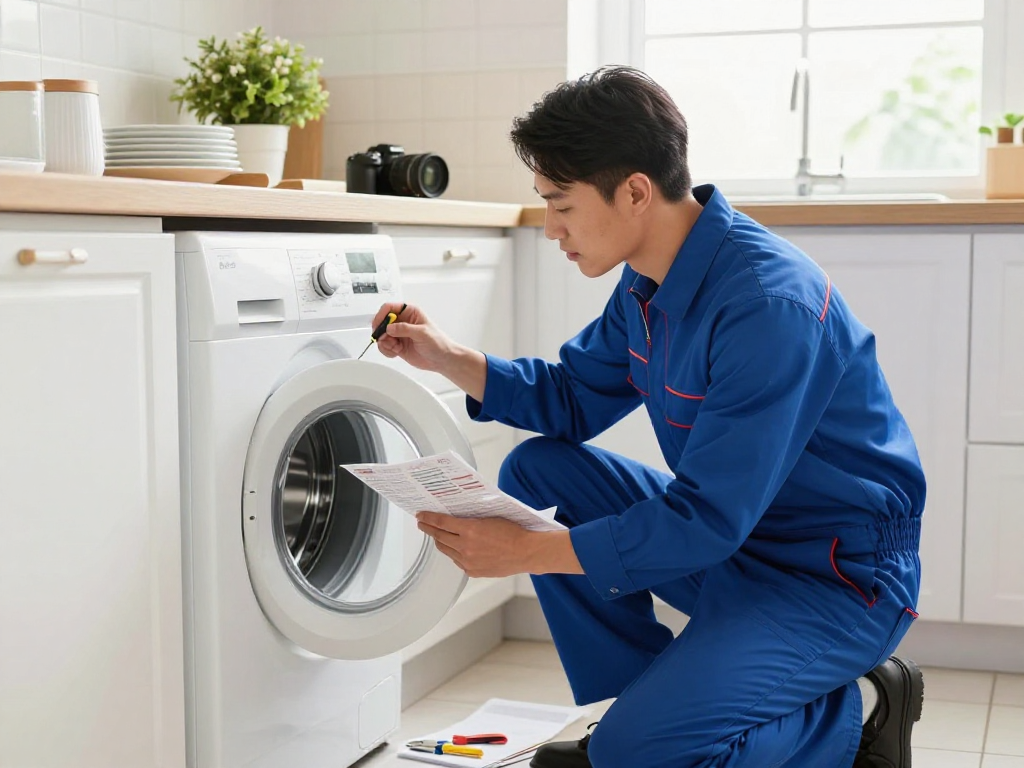
Understanding Appliance Repair Basics
Appliance repair is an essential service that ensures the longevity and efficient operation of household appliances. Whether it's a malfunctioning washing machine or a refrigerator that won’t cool, knowing the basics of appliance repair can save you time and money. With a clear understanding of the common issues and repair techniques, you can make informed decisions about when to tackle repairs yourself and when to call in a professional. For those seeking assistance, appliance repair options are widely available to ensure your household appliances remain in optimal condition.
What is Appliance Repair?
Appliance repair involves the diagnosis and correction of faults in household appliances, which can range from basic problems to complex mechanical failures. Technicians use a variety of tools and techniques to fix issues efficiently. The field encompasses various appliances, including refrigerators, ovens, dishwashers, washing machines, and dryers, each requiring specific skills and knowledge for effective repair.
Common Types of Appliance Repairs
Appliances can experience numerous types of failures. Here are some common repair categories:
- Electrical Issues: Faulty wiring, blown fuses, or malfunctioning electrical components can lead to appliance failure.
- Mechanical Failures: Broken belts, worn bearings, or dysfunctional motors often require replacement parts.
- Cooling Problems: Refrigerators and freezers may fail to maintain temperature due to compressor issues or leaks in the refrigerant system.
- Heating Failures: Ovens and dryers may fail to heat adequately, often due to faulty heating elements.
- Water Issues: Dishwashers and washing machines may experience leaks or poor drainage, necessitating repairs to hoses or pumps.
Signs Your Appliance Needs Repair
Recognizing the early warning signs of appliance malfunction can help prevent further damage. Here are some indicators to look for:
- Unusual noises (grinding, squeaking, or clicking sounds).
- Inconsistent temperatures (for refrigerators and freezers).
- Increased energy bills, indicating an appliance working harder than it should.
- Leaks or water pooling beneath appliances.
- Failure to start or delays in operation.
DIY Appliance Repair Tips
For those willing to try their hand at repairs, a variety of DIY strategies can be effective for minor appliance issues. However, it's crucial to assess whether a repair is within your skill set or requires professional assistance.
Essential Tools for Home Repairs
Having the right tools can make a significant difference in successful appliance repair. Consider adding the following to your toolkit:
- Screwdrivers: Both Phillips and flathead screwdrivers are essential for accessing appliance components.
- Multimeter: Useful for diagnosing electrical issues.
- Pliers: For gripping and twisting wires and small parts.
- Wrench Set: Necessary for tightening or loosening bolts and nuts.
- Flashlight: Helps illuminate dark areas inside appliances.
Step-by-Step Guide to Common Repairs
Here’s a simplified guide to tackling some common appliance repairs:
- Identify the Problem: Listen for unusual sounds and check for visible signs of wear or damage.
- Disconnect Power: Always ensure appliances are unplugged or powered down before starting any repair work.
- Consult Manuals: Use the appliance manual for troubleshooting tips and diagrams.
- Replace Parts: If a component is defective, consult your appliance manual for specific part numbers and replacement procedures.
- Test After Repair: Once repairs are made, reconnect power and test the appliance to ensure it operates correctly.
When to Call a Professional
While DIY repairs can be cost-effective, there are times when it’s best to call a professional. If the repair involves significant electrical components, requires specialized tools, or if you're uncertain about the safety of the repair, seeking expert assistance is advised.
Choosing the Right Repair Service
Finding a reliable appliance repair technician can make all the difference in resolving issues quickly and efficiently. Here are key factors to consider when selecting a service provider.
Factors to Consider When Hiring a Technician
- Experience: Look for technicians with a solid background in appliance repair with positive reviews or testimonials.
- Certifications: Verify that the technician holds relevant certifications, ensuring they are qualified to work on your specific appliances.
- Availability: Check if the technician can offer prompt service, especially if you have urgent repair needs.
- Warranty: Inquire if they provide a warranty on parts and services, which can protect you from future issues.
Questions to Ask Before Hiring
To ensure you're making the right choice, ask potential repair technicians these questions:
- What is your experience with this type of appliance?
- Can you provide references from past clients?
- What is your diagnostic fee?
- How long will the repair take?
- Do you guarantee your work and parts?
Reading Reviews and Testimonials
Researching online reviews and client testimonials can provide insights into a technician's reliability and service quality. Websites like Yelp and Google Reviews can help gauge public opinion and highlight both positive and negative customer experiences.
Preventative Maintenance for Appliances
Preventative maintenance is vital for extending the lifespan of your appliances and maintaining their efficiency. Regular maintenance can prevent costly repairs in the long run.
Regular Maintenance Tips
Here are some practical maintenance tips to help keep your appliances running smoothly:
- Clean the coils of your refrigerator at least twice a year to improve efficiency.
- Check and clean dishwasher filters regularly to ensure proper drainage.
- Inspect and clean your washer’s hoses to prevent leakage.
- Test smoke alarms and replace batteries annually to ensure safety.
- Defrost freezers regularly to prevent ice buildup.
How to Prolong Appliance Lifespan
Caring for your appliances can significantly extend their functional life. Consider these strategies:
- Use appliances as recommended by the manufacturer to reduce wear and tear.
- Ensure proper ventilation around refrigerators and dryers for optimal performance.
- Avoid overloading machines, as this can cause mechanical failures.
- Schedule regular professional maintenance checks for complex appliances.
- Teach all household members proper appliance usage to minimize accidental damage.
Common Maintenance Mistakes to Avoid
Avoiding certain pitfalls can prevent premature appliance failure:
- Neglecting to change air filters in HVAC systems, which can lead to blockages and inefficiencies.
- Ignoring unusual sounds or smells that indicate appliance malfunctions.
- Failing to regularly clean appliances, which can lead to buildup and performance issues.
- Using harsh chemicals that can damage appliance finishes or internal components.
- Procrastinating on repairs, which can lead to more significant problems down the line.
The Future of Appliance Repair
The landscape of appliance repair is evolving with advances in technology. By 2026, several key trends are likely to shape the industry, enhancing the way repairs are conducted.
Trends in Smart Appliance Technology
Smart appliances equipped with internet connectivity offer real-time diagnostics and maintenance alerts. This technology can enable homeowners to troubleshoot issues or schedule repairs before problems escalate. Expect to see an increase in smart kitchen gadgets that can notify users when they require maintenance or servicing.
Predictive Maintenance and Its Benefits
Predictive maintenance uses data analytics to anticipate appliance failures before they occur. By analyzing performance data, technicians can proactively address potential issues, reducing downtime and extending the appliance’s lifespan. This approach is expected to become standard practice by 2026, offering significant cost savings for both consumers and manufacturers.
What to Expect in Appliance Repair by 2026
As the industry adapts to the integration of smart technology, it will likely emphasize enhanced customer service and satisfaction. Expect a shift towards remote diagnostics and troubleshooting, allowing technicians to diagnose issues remotely via connected systems. This will streamline the repair process, significantly reducing wait times for consumers and increasing efficiency for service providers.
What are the most common appliance repair issues?
Common issues include electrical problems, mechanical failures, and component malfunctions such as broken heating elements or faulty motors. Each of these problems may require different approaches and expertise, emphasizing the importance of skilled technicians.
How can I tell if my appliance is worth repairing?
Consider the age of the appliance, the cost of repairs compared to replacement, and the appliance's overall condition. A general rule of thumb is if the repair costs exceed 50% of the replacement price, it might be more economical to buy a new unit.
Are there eco-friendly methods for appliance repair?
Many technicians are adopting eco-friendly practices, such as using sustainable replacement parts and proper disposal methods for old appliances. Using energy-efficient appliances can also minimize environmental impact.
What qualifications should a repair technician have?
A qualified technician should have relevant training and certifications in appliance repair, along with hands-on experience. Check for credentials from recognized training programs or associations, which indicate a standard of professionalism and expertise.
How can I find affordable appliance repair services?
Research local providers, compare quotes, and read reviews to find affordable options. For more information, appliance repair Aurora offers valuable insights. Asking for referrals from family and friends can also lead to trustworthy technicians who provide value for their services.